
Hemp Fabric, Yarn and Everyday Wear
Hemp has been spun and woven for thousands of years, and modern mills now blend it with cotton, linen and recycled fibres to soften its hand feel. Here you will find guidance on yarn counts and fabric weights, how hemp cloth breathes and resists abrasion, why it softens with washing rather than wearing out, and how blended and cottonized hemp differs from pure long-fibre cloth. Written for makers, sewists, apparel buyers and anyone comparing natural fabrics.
4 articles
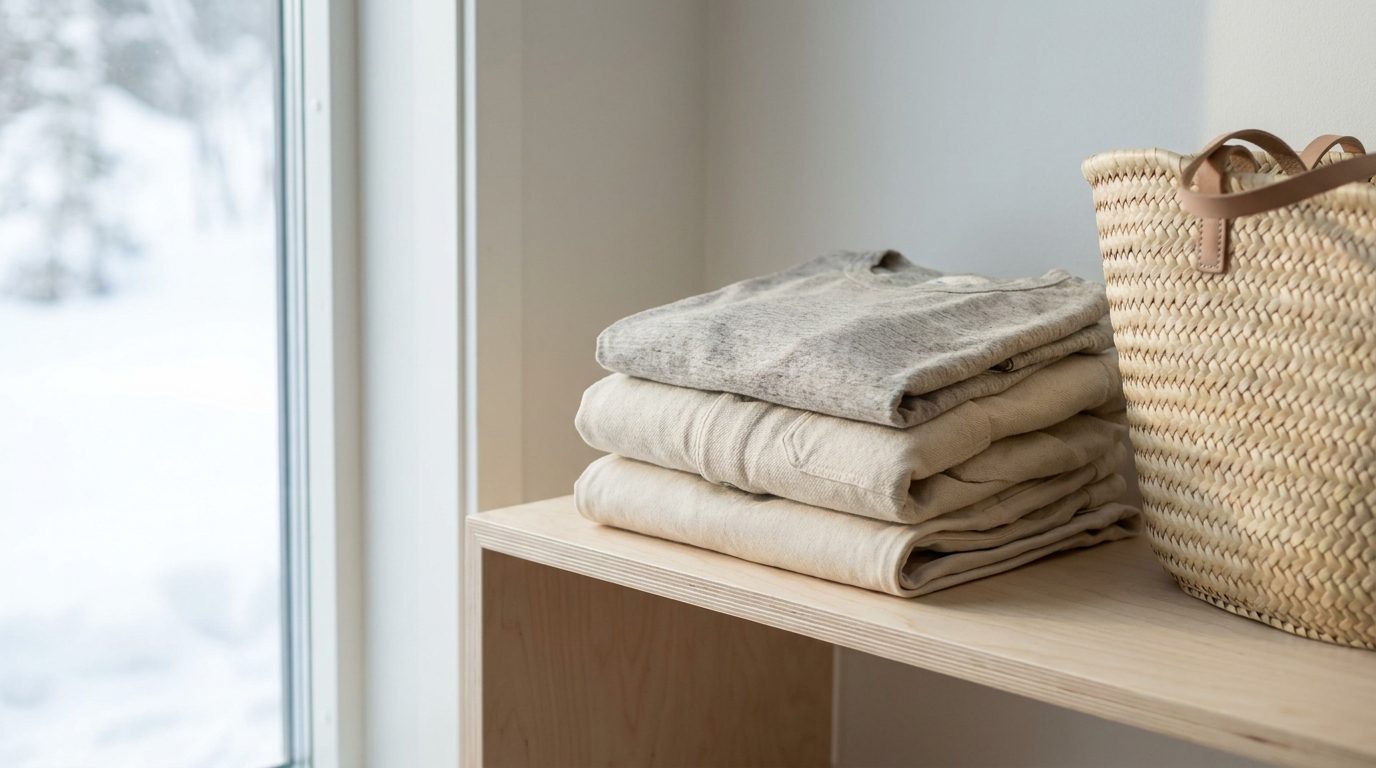
Hemp Clothing in Canada: Brands, Blends, and What to Expect
A real but small market: long-running West Coast brands, imported fabric sewn domestically, blend percentages that matter, and a four-point checklist for judging any hemp garment.
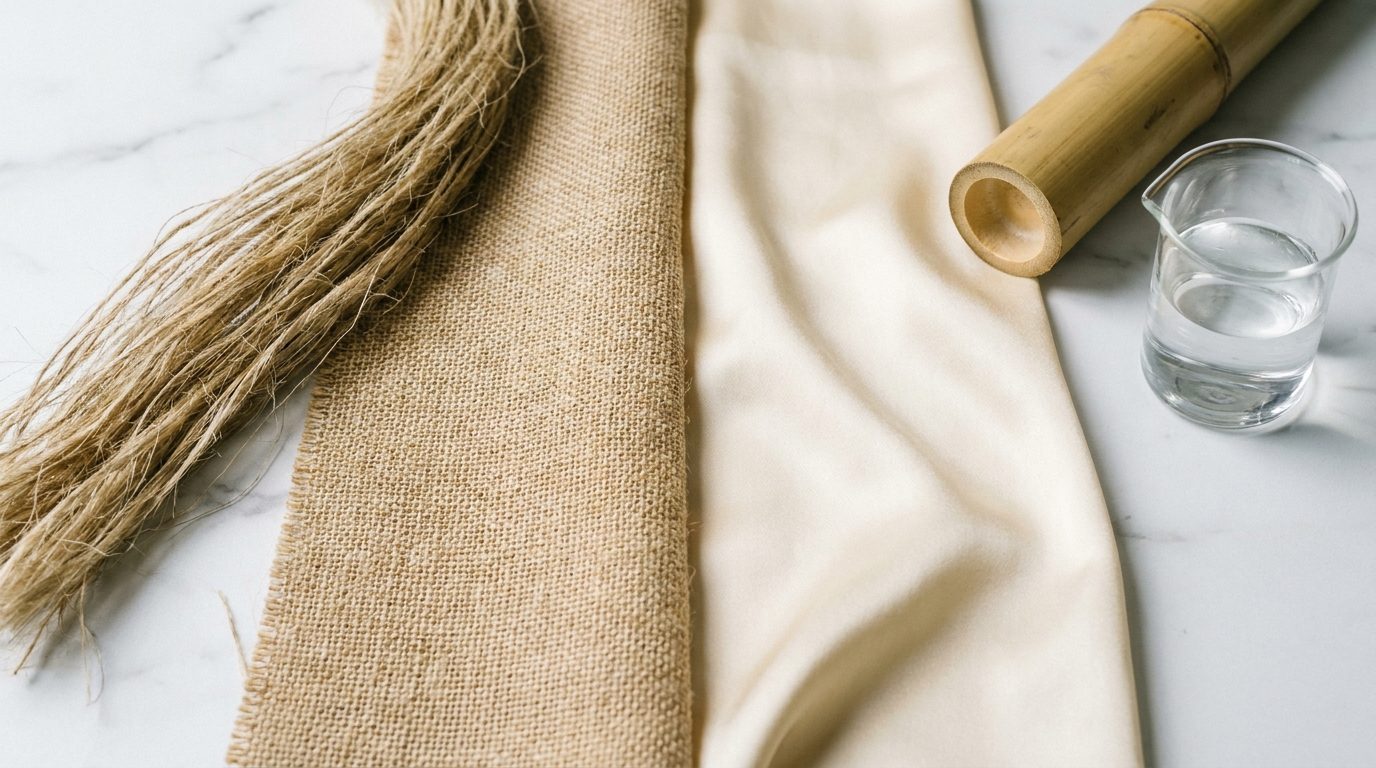
Hemp vs Bamboo Fabric: The Comparison That Depends on Chemistry
Most bamboo clothing is viscose, a chemically regenerated fibre, while hemp is the plant fibre spun. How that decides durability, feel, sustainability claims, and what to buy for what.
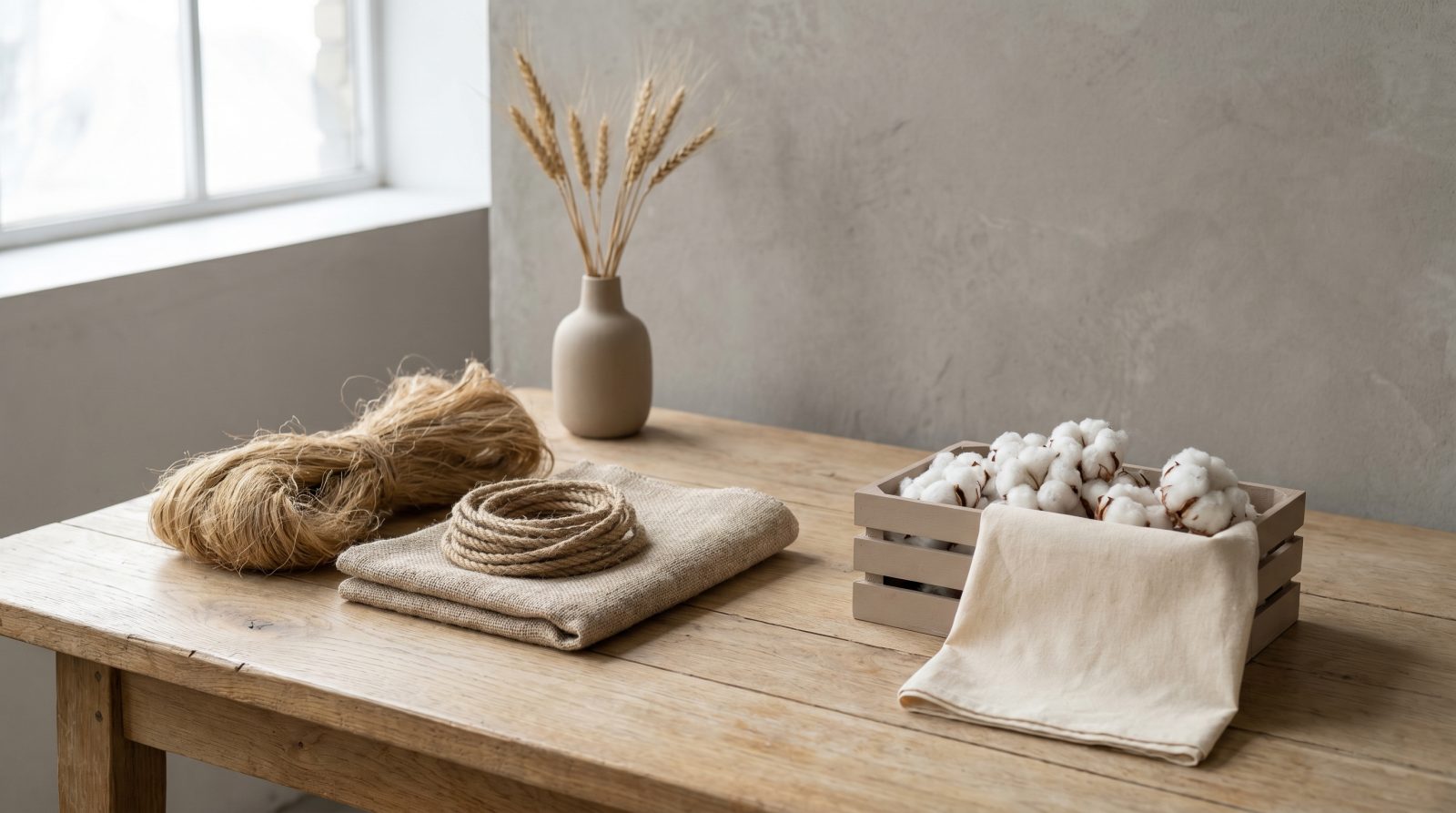
Hemp Fibre vs Cotton: A Comprehensive Comparison
Hemp fibre and cotton compared on cultivation, processing, performance, environment, and cost. When to choose each, organic cotton considerations, and the role of blends in the textile market.

Hemp Textiles
Bast fibre processed into yarn and woven into fabric. Hemp's strength, breathability, and antimicrobial properties make it valuable for clothing, upholstery, and technical textiles. Comparison with cotton.