
Bast, Hurd and How a Hemp Stalk Works
Every hemp fibre product starts with the stalk, and the stalk has two very different halves. The long bast fibres of the outer bark carry tensile strength and go into textiles, rope and reinforcement; the woody hurd, or shiv, at the core is light, absorbent and porous, which suits it to hempcrete, boards and animal bedding. These articles explain how the two are structured, graded and named, so newcomers and buyers can read a spec sheet with confidence.
3 articles
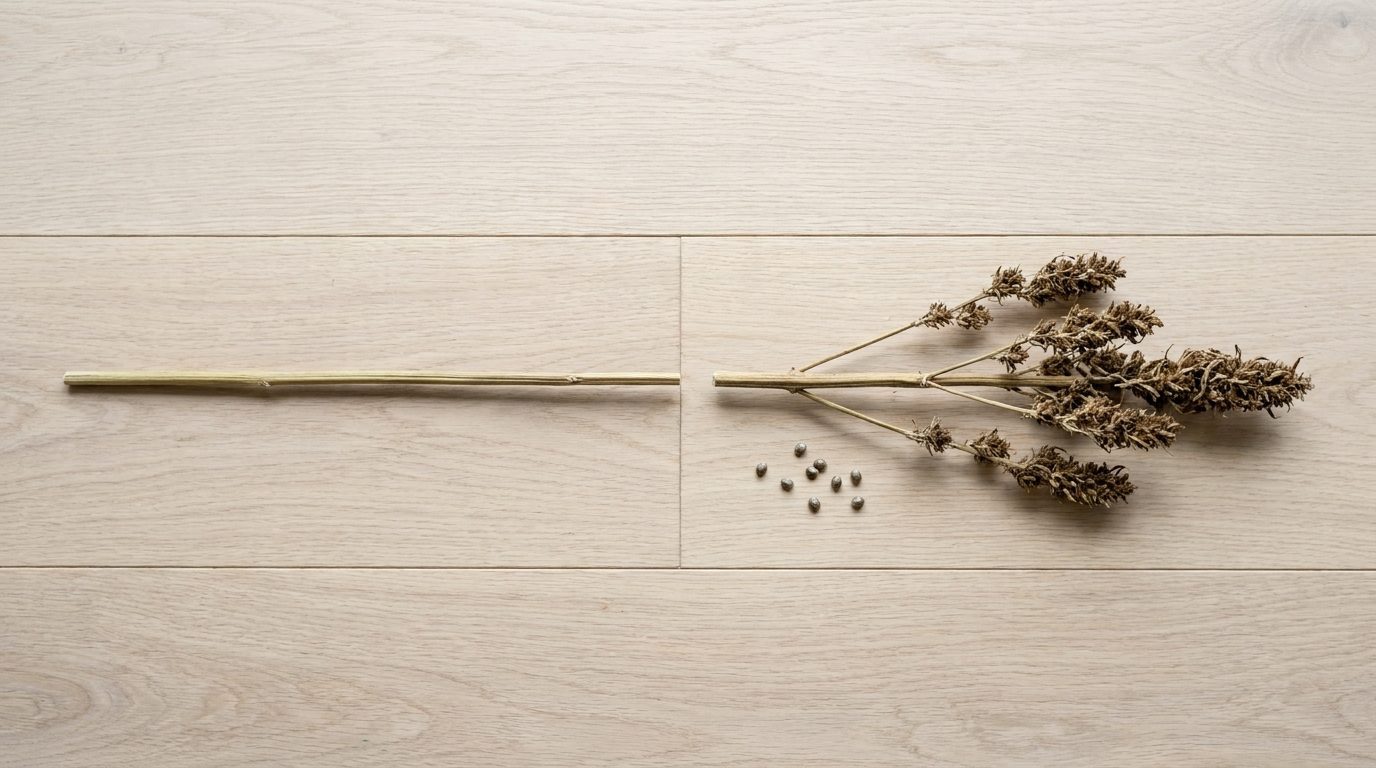
Fibre Hemp, Grain Hemp, and Dual-Purpose Crops: How the Choice Changes the Stalk
The same species can yield textile-grade straw, a seed harvest, or a compromise between them. The decision is made at seeding and harvest timing, not at the baler, and it determines what your straw is worth.
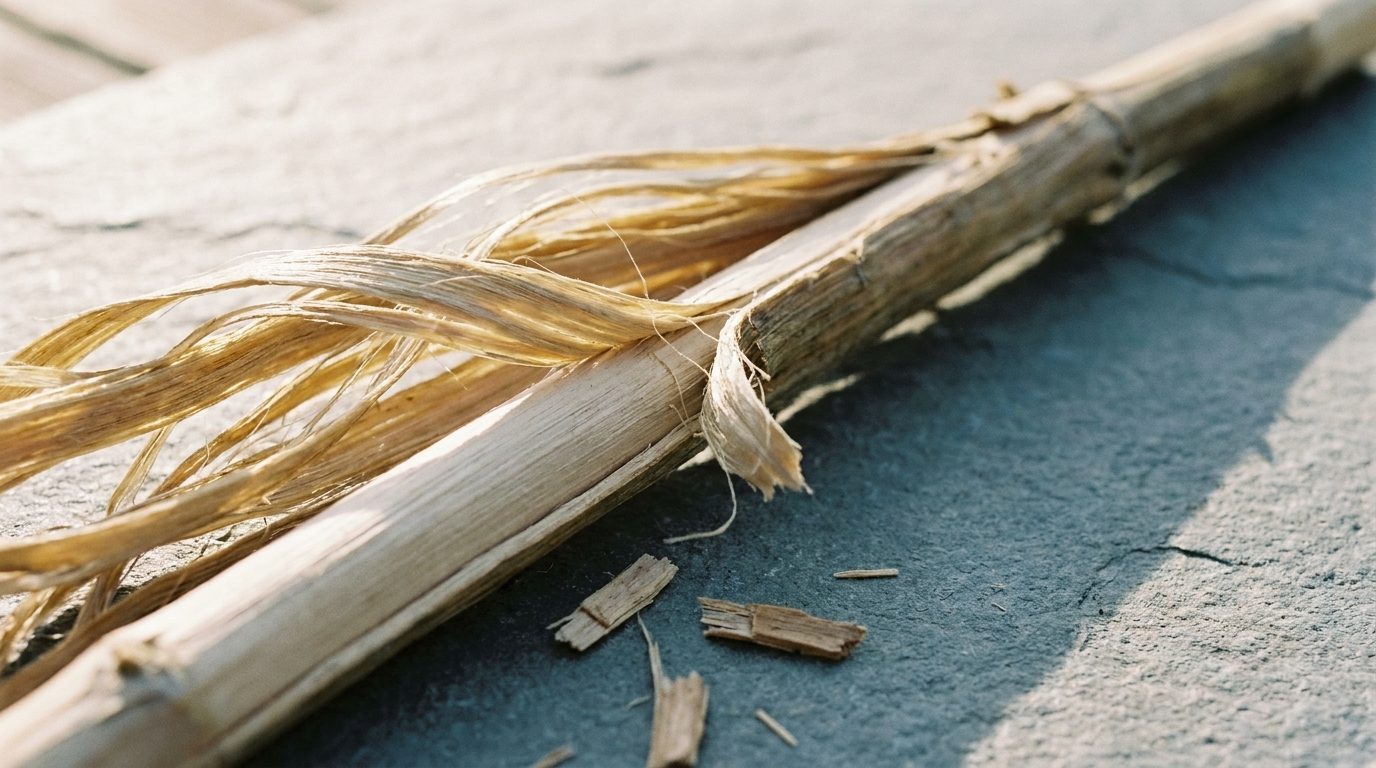
Why Is Hemp Fibre So Strong? The Structure Behind the Stalk
Hemp's tensile reputation belongs to a thin ring of bast bundles wrapped around a woody core. Here is the anatomy that makes it strong, and the processing steps where most of that strength gets thrown away.
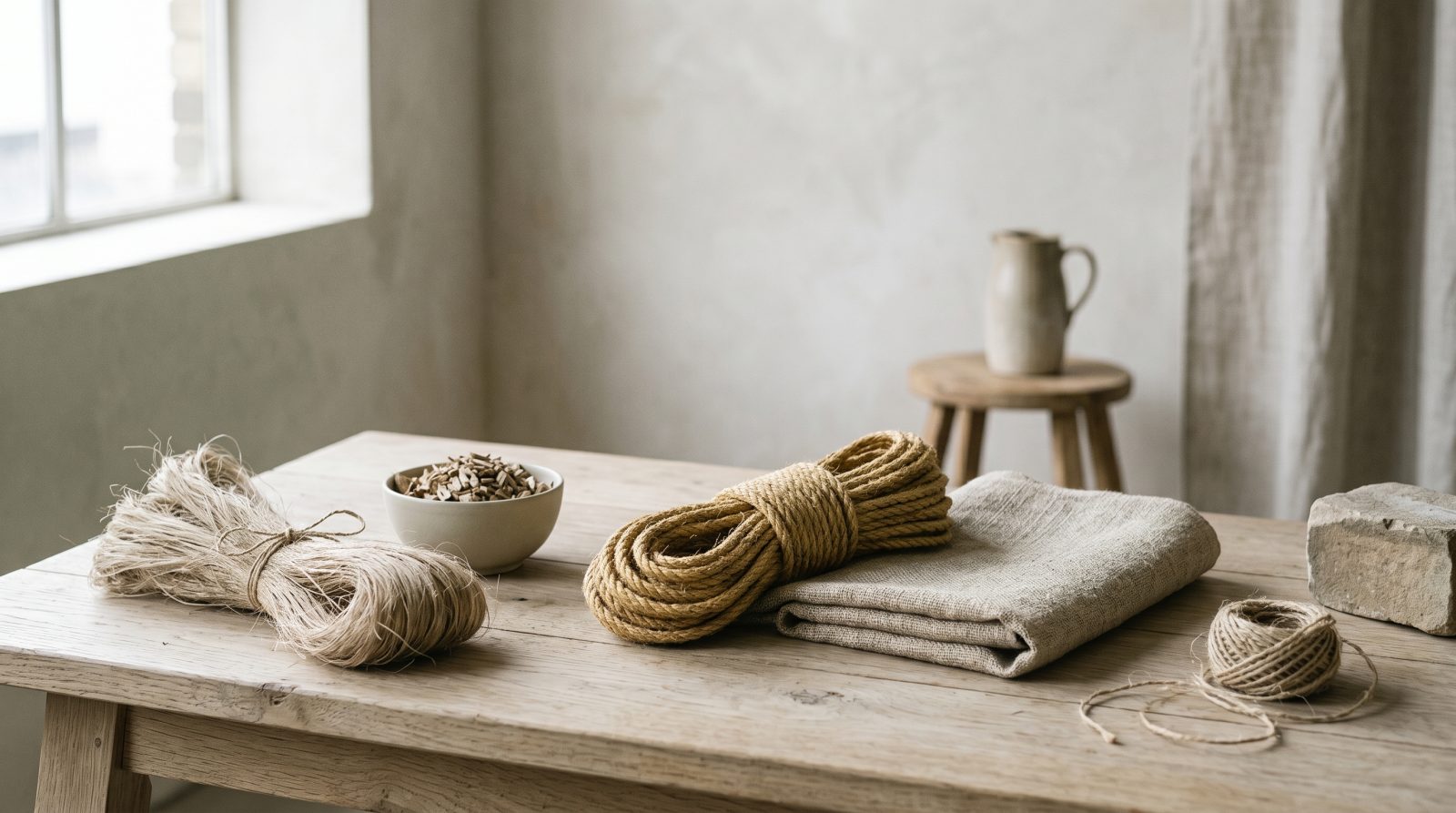
Hemp Fibre Basics: Bast and Hurd
Hemp stalks contain two distinct materials: long bast fibre for textiles and rope, and woody hurd for building materials and biocomposites. The processing chain and the Canadian industry context.